1. Shipping & Packaging:
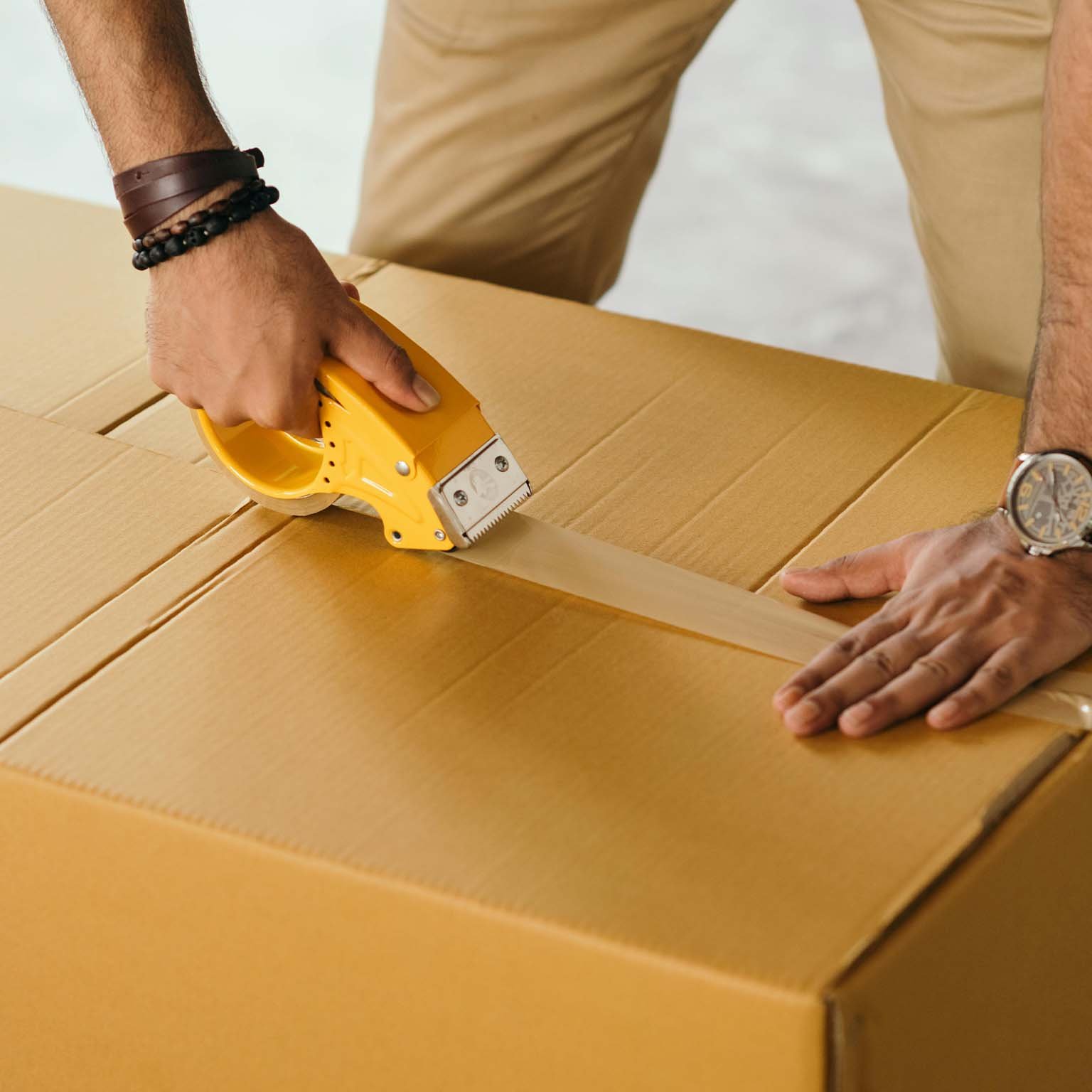
- Safe Packaging: Ensure that both the machine and its attachments/spares are properly packed. Use crates, pallets, or custom-made boxes to protect the equipment. Consider using heavy-duty plastic or shrink wrap to secure smaller parts and prevent damage during transit.
- Documentation: Prepare the necessary shipping documents, including invoices, product lists, and any regulatory certifications required for transport.
2. Transport Options:
- Type of Vehicle: Depending on the size and weight of the machinery, flatbed trucks, low-bed trailers, or even container trucks may be needed. Large machinery requires special handling.
- Route & Accessibility: Choose routes that are accessible and avoid narrow, damaged roads that may pose a risk during transport. Ensure that the destination point can handle unloading the equipment.
- Local vs. Long-Distance: For longer distances within Tamil Nadu, choose transport services that can handle long-distance deliveries safely. For short local deliveries, ensure the vehicle is appropriate for smaller roadways.
3. Transport Cost:
- Customer Responsibility: Since the customer will be covering the transport cost, ensure that they are made aware of the full costs upfront. This should include:
- Shipping Fees: Charges for transport based on the size, weight, and distance.
- Loading & Unloading Costs: If there are charges for loading or unloading at either the origin or destination points.
- Insurance: The customer might also need to purchase transport insurance, which can be added to the total cost for protection during transit.
- Transparent Pricing: Provide the customer with a detailed cost breakdown, including fuel charges, tolls, and any other relevant fees.
4. Transport Insurance:
- While not always mandatory, it's advisable to insure the shipment. This protects the machinery, attachments, and spare parts in case of damage or theft during transit. Make sure the customer is informed of their insurance options.
5. Delivery Timeframe:
- Set realistic expectations for delivery times based on the distance and type of transport. Ensure the customer knows when to expect the delivery and provide tracking services if available.
6. Delivery Confirmation:
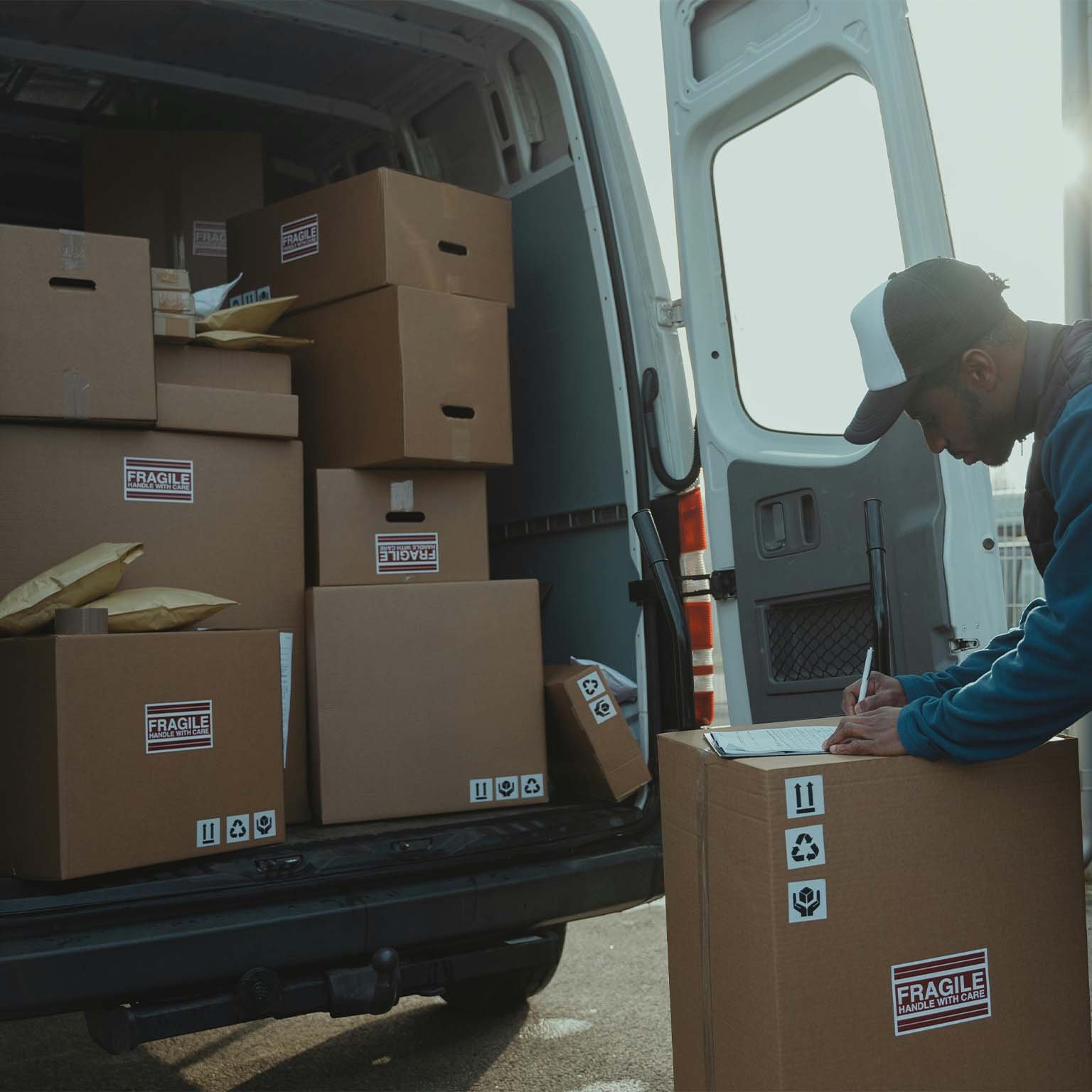
- Once the machinery, attachments, and spares are delivered, ensure that the customer checks the condition of the goods upon arrival. A delivery receipt or acknowledgment form should be signed to confirm successful delivery.
By considering these factors, you can ensure the safe transport of agricultural machinery and parts, while also ensuring the customer is aware of and prepared to cover the shipping costs.










Reviews
There are no reviews yet.